
The Five Modalities

When responding to your health and its unique needs, I use the five modalities of Traditional East Asian Medicine to address imbalance and encourage natural healing.
Lotus icon made of thin gold flowing lines

Acupuncture

Practiced in East Asia for thousands of years, acupuncture involves inserting thin-gauge needles into the skin at specific points of the body to promote a healing response.

Balanced stone pillar icon made of thin gold flowing lines

Bodywork

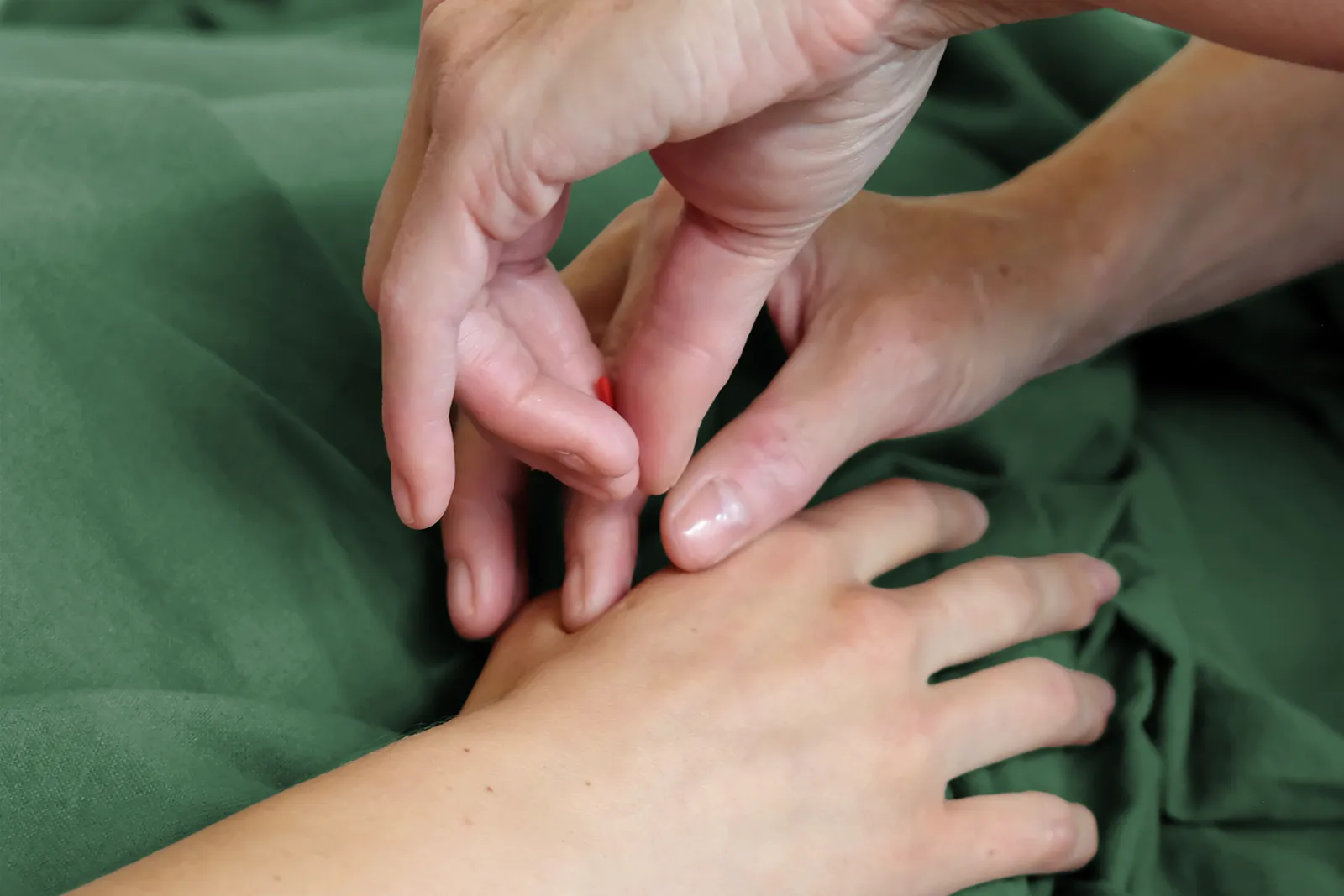
Hands-on bodywork in Traditional East Asian Medicine includes Tui Na, which is Chinese therapeutic massage, and cupping.
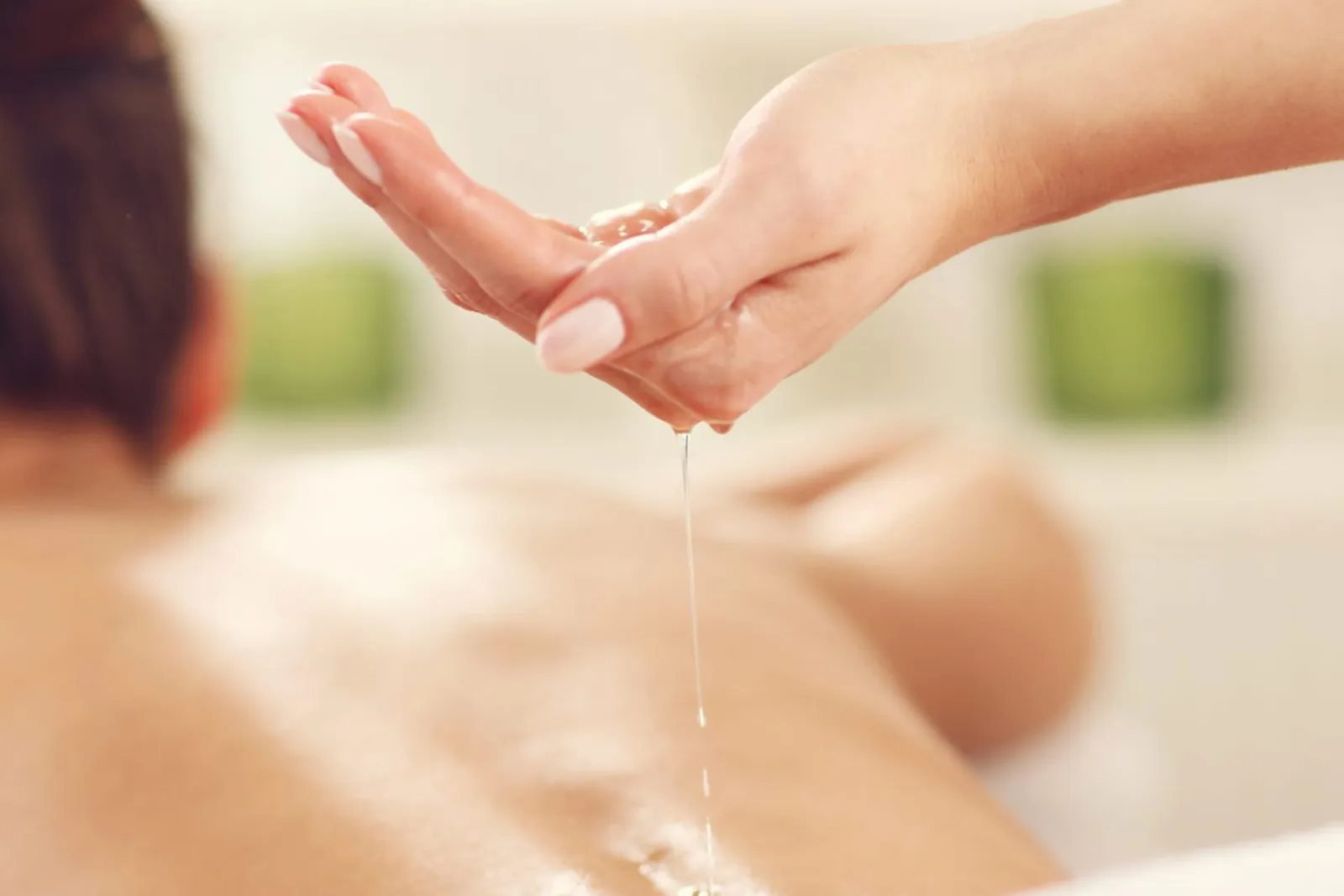
Hand pouring massage oil onto a person's bare back during a spa treatment.
Overhead view of wooden bowls filled with various dried herbs and tea leaves.
Pestle and mortar icon made of thin gold flowing lines

Chinese Herbal Medicine

With a long clinical history, Chinese herbal medicine has a balancing effect on the body and is usually gentler than pharmaceutical drugs.

Apple icon made of thin gold flowing lines

Nutrition

Like herbs, food has an impact on your body's health—food is medicine. If there are not enough nutrients in your foods, your body will not produce enough qi and your blood will not be appropriately nourished.
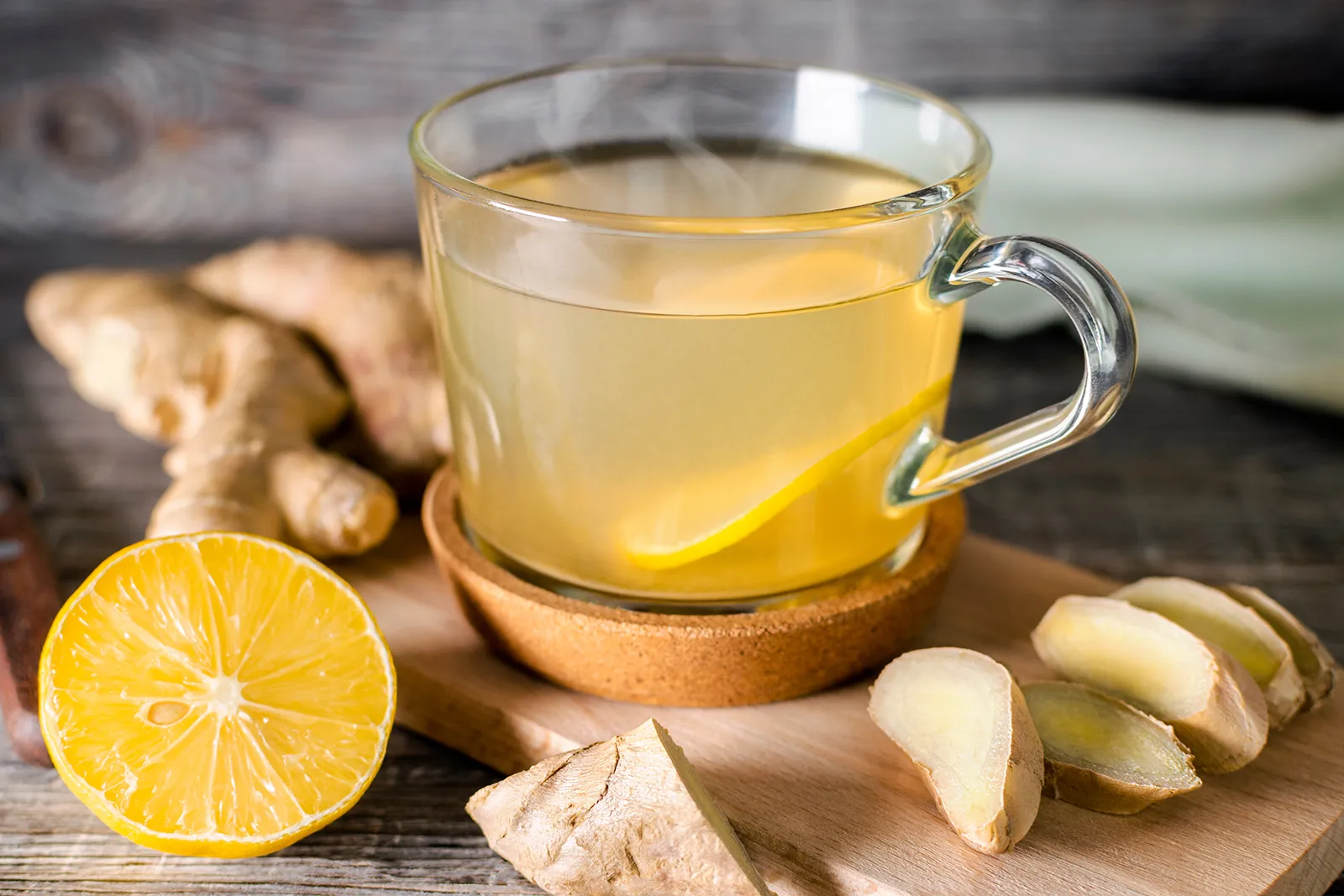
Glass cup of steaming ginger tea with lemon slice, fresh ginger roots, and lemon half on a wooden surface.
Woman in a yellow cardigan performing a Qi Gong hand posture against a blurred neutral background.

Qi Gong

Qi is your “vital energy” and gong is translated as “work.” Qi Gong is a gentle physical exercise practiced in China for centuries. This flowing movement cultivates your body's qi and relaxes the nervous and muscular systems.


Learn More

Here are more details about my treatments and Traditional East Asian Medicine.

About Your Appointments

What should I expect on my first visit?

During your initial 90-minute visit, I will take a full health history, asking about symptoms, health, and lifestyle. I will check your pulse on both wrists, assess your channel pathways on your arms and lower limbs, examine the color and coating of your tongue, and palpate the “hara” (abdomen). The information I gather from these techniques will help me to develop a proper treatment plan for you. I will then begin your acupuncture treatment.

After your treatment, I may prescribe Chinese herbs, provide lifestyle and/or dietary recommendations, or suggest a helpful Qi Gong pose that you can practice during the week. It all depends on your unique, individual needs at the time.

What should I wear for my acupuncture treatment?

I recommend wearing loose and comfortable clothing.

How often should I see you?

Depending on your needs, 60-minute return visits may occur once to twice a week for 5 to 7 weeks. Many people then see me once a month for preventative care.

Do you accept my insurance and, if not, what are your out-of-pocket rates?

I am an in-network provider with Regence Blue Shield and some Blue Cross Blue Shield plans (depending on which state the plan is representing). Claims are submitted on the day of each visit and copays are collected. You may have a deductible to meet before your insurance provides coverage.

If you are not covered by Regence Blue Shield or Blue Cross Blue Shield or do not have insurance, I offer a time-of-service discount for paying out-of-pocket: Initial Visit, 90-minutes, $190.00; Return visits, $125.00. Cash payments are collected the day of your treatment.

What are Superbill receipts and how do they work?

I issue a Superbill receipts to patients whose insurance plan is not Regence Blue Shield or Blue Cross Blue Shield. Patients pay for treatments at the time of their visits, and they then submit the Superbill receipt to their insurance plan for a possible reimbursement of what they paid out-of-pocket. Note: Each insurance plan has its own policy regarding out-of-network providers, so you may want to contact your plan to verify whether you can receive a reimbursement.

Acupuncture

What is Acupuncture?

A powerful system of treating illness practiced in China and other East Asian countries for thousands of years, acupuncture is the placement of very fine, sterile needles at specific points on the body. Acupuncture works by influencing the flow of your body’s qi (pronounced “chee”), commonly defined as “vital energy,” which travels along specific pathways in the body called “channels.” The body includes twelve primary channels, each connecting to a corresponding organ internally.

What is “qi”?

Your health is influenced by the quality, quantity, and balance of your qi. When your qi is abundant and of good quality, you are healthy and strong. If your qi is blocked or insufficient, it is unable to nourish your channels and organs and illness and pain occur. An ancient Chinese medicine text says, “When the circulation of qi is blocked, pain arises; when the passage is open, pain disappears.” During your treatment, acupuncture needles work to move qi to places where there is not enough. Modern science has been able to measure the electrical charge at acupuncture points, corroborating the routes of the channels as mapped by ancient health practitioners.

How are acupuncture needles different than medical syringes?

The insertion of an acupuncture needle feels nothing like an injection from a medical syringe. Pain from a syringe is due to the large-diameter hollow needle and the fluids being forced into the tissue by pressure. An acupuncture needle is very fine and flexible, about the diameter of a human hair. Roughly forty acupuncture needles fit into one 18-gauge hypodermic needle. I use single-use, sterile, disposable needles.

What kind of sensation might I feel during an acupuncture treatment?

When receiving an acupuncture treatment, you might experience a sense of heaviness, gentle stimulation, or minor aching in the area of needle insertion. Most patients find treatments very relaxing, and many fall asleep during their treatment.

What techniques do you use during a treatment?

When identifying which acupuncture points to address during your treatment, my decision is based upon what your body system is requesting at that time. Also, East Asian medicine includes many approaches to addressing the patient’s problem. I may use one or more of the following techniques during your treatment:

  • Chinese acupuncture technique: Wang Ju-Yi’s method, auricular acupuncture, and scalp acupuncture
  • Japanese Meridian Therapy: Shudo Denmai, Manaka, or Kiko Matsumoto methods
  • Engaging Vitality point-finding techniques

For those of you who are wary of needles, I offer non-needle techniques such as acupressure, Tui Na, and cupping.

What should I expect after my treatment?

Your acupuncture treatment does not end once the needles are removed. Your body needs time to respond to the treatment on its own schedule by continuing to unwind the tension addressed during the treatment. For some, this may occur over 24 hours. For others, this process may take three to five days. It is important to allow your body the proper time for rest and recovery.

Bodywork

What is Tui Na?

Tui Na, translated as “push-grasp,” is a form of therapeutic bodywork using fingers, hands, and elbows. It is an effective way to invigorate qi flow and reduce stagnation (and it works well for patients who are sensitive to needles). Archaeological studies have found evidence of Tui Na dating back to 2700 BCE. It is considered the forerunner of all forms of massage and bodywork that exist today.

What is Cupping?

Cupping as a form of deep-tissue massage achieved by placing special cups on your skin to create suction. The skin is highly vascularized (rich in blood supply), and the applied suction increases circulation by dilating the capillaries and assisting lymphatic drainage. Cupping regulates the immune system and controls the inflammatory process while also relaxing the nervous system. Cupping therapy in combination with acupuncture is extremely effective for those experiencing acute or chronic pain and enhances the patient’s sense of well-being. Tui Na and cupping are believed to be as old as acupuncture itself.

Chinese Herbal Medicine

How do Chinese herbs work?

Chinese herbal medicine is a comprehensive form of medicine that effectively addresses many medical conditions. It has a long clinical history, a balancing effect on the body, and is usually gentler than pharmaceutical drugs. Chinese herbal medicine uses over 5,000 plant, mineral, and animal substances—we refer to all these substances as “herbs” for convenience’s sake.

Chinese medicine combines herbs into special formulas designed for particular medical uses. Herbs that supplement qi are called “Qi Tonics,” herbs that regulate blood are called “Regulate Blood” herbs, and so on. The effects of each individual herb are well understood, and herbal formulas create a synergistic energy, in which the actions of an individual herb are increased by its combination with others.

The traditional method of preparing herbs is to make a tea with them. I prescribe herbs in either powder form, which dissolves in warm water, or tablet or capsule form for convenient ingestion.

How do you recommend taking the herbs?

I will give you specific guidance when I see you, but below are general guidelines for taking Chinese herbs:

  • Do not add sweeteners as this will change the herbs’ properties.
  • Take the herbs 30 minutes before or after a meal.
  • Stop taking the herbs if you develop a cold or flu.
  • Do not take any other medicines within one hour of taking the herbs.
  • Stop using the herbs immediately if you have any unusual reactions or digestive responses.
Are some Chinese herbs beneficial on their own?

Yes, some Chinese herbs are effective taken alone, such as ginger (Rhizoma zingiberis officinalis). Its spiciness warms the abdomen and, most important, can resolve symptoms of nausea and vomiting. Here’s a recipe for fresh ginger tea:

  • Slice one tablespoon of fresh ginger.
  • Place the ginger in a cooking pan with two cups of water.
  • Bring to a boil, reduce heat, cover, and simmer for 15 minutes.
  • Strain the ginger slices from the tea.
  • Add one-half teaspoon of brown sugar, stir, let cool slightly, and drink. (In this case, a little sugar is OK!)

Food as Medicine

How does Traditional East Asian Medicine view “food as medicine”?

Traditional East Asian Medicine pays attention to the energetic attributes of foods. If there are not enough nutrients in your foods, your body does not get enough qi and your blood is not properly supplemented. If the temperature of foods is too cold, it directly affects your digestion. When a person eats too many raw, cold foods, digestion can become “stagnant” (bloated feeling, loose stools, nausea). If a person eats too many hot, spicy foods, the body will become depleted of appropriate fluids that aid the digestive process. Keep in mind that the quality of the food you eat is as important as its energetic attributes.

Why is it important to consume non-raw foods?

Non-raw food is important for your digestion. It’s true that some nutrients are lost during the cooking process, but, because warm food promotes effective digestion, an overall net gain in nutrients is achieved. Also, eating such food requires less of the body’s energy for digestion, which can be important if your digestive qi is deficient. Helpful techniques include fermentation, roasting, and stir frying.

Do you have any suggestions for aiding digestion?

Below are some suggestions for aiding your digestion. This is a general list, and my suggestions will vary from patient to patient depending on your needs:

  • Chew your food. Count 30 chews per bite.
  • Eat warm, cooked meals.Eat foods that are locally grown.
  • Food grown locally contains the qi of the local environment.
  • Make sure you are relaxed and in a relaxed environment while eating.
  • Do not be distracted by reading or viewing technology while eating.
  • Do not overeat. Stop when you are full.

Qi Gong

What are the benefits of Qi Gong?

A movement and breath practice, Qi Gong cultivates your body’s qi by clearing stagnant energy and renewing circulation. When your body’s qi is strong and circulating well, you may be less likely to become ill and, if you do become ill, you may recover more quickly. Qi Gong can be practiced for ten minutes each morning as part of health maintenance and prevention.

How is Qi Gong different from Tai Chi?

With roots in the martial arts, Tai Chi was developed as a form of exercise emphasizing movement and balance. Qi Gong is focused on standing poses and breath work, emphasizing qi cultivation and stress reduction.

How does Qi Gong work during the acupuncture treatment?

Depending on the reason for your visit, after the treatment I may suggest some Qi Gong poses for you to practice in between visits.

Do you practice Qi Gong?

Yes, I have my own personal Qi Gong practice because it helps prepare me for treating my patients. My training was under the guidance of the late Dr. Guan-Cheng Sun, whose learned technique was passed down to him through his familial lineage. His teachings are called Yi Ren Qi Gong, a practice he described as “cultivating the inherent potential and well-being through a growing awareness of ‘Qi’—a bioenergy-information system (BEIS) within us, as well as surrounding us.”

Still have questions?

Begin your healing journey today

Take the first step towards holistic wellness with personalized treatments tailored to your unique health needs

What my patients say

Descriptions of real healing experiences by patients who found wellness.

Tag

“Acupuncture is new for me but over the last 9 months my health has changed in such a positive way that I can’t recommend Inger enough. Go try it and give yourself time to see the results. It’s so refreshing to do something different and so easy!!”

Tag

“When I had my most recent visit with Inger, I was thinking that was the best acupuncture session I’ve ever had. Then I realized, that statement is true each time I go. The best session is always the one I just had. I don’t know how Inger does that, she’s amazing.”

Tag

“I have been to a LOT of acupuncturists in my life and can attest that Inger is the best. She understands whole body systems better than anyone I’ve seen, listens and pays careful attention, and is really skilled with needle placement. I also love that she only sees one patient at a time.

With other acupuncturists who double book, it can feel like the treatment rhythm is dictated more by their schedule needs. All the tactical pieces are great too: easy scheduling, lovely office, etc. Inger has helped me so, so much. I feel really lucky to have found her.”

Tag

“Acupuncture from Inger is the single healthcare/self care treatment that I love and prioritize most! After years of massage, chiropractic, yoga and even PT, Inger has had the most impact on my symptoms in just a few months. She is personable, professional, and deeply knowledgeable about her practice. Highly recommend to pursue care with Inger!”

Tag

“Inger’s energy is amazing and calm. I appreciate the personalized care I have been receiving for last year after a major injury. The new office space is quiet and conveniently located. I look forward to my acu nap monthly. I have already sent a friend to see her! I highly recommend checking her out for your acupuncture needs.”

Tag

“I have been seeing Inger for acupuncture for almost five years- I go monthly for preventive care and more often as needed if I am dealing with any issues. I can’t say enough about Inger- she is extremely knowledgeable, caring and professional.

She has so much experience and explains things clearly, thoroughly answers questions I may have, and gives helpful guidance. My monthly “tuneups” have been such a great investment in myself and my health- I have not gotten sick (cold/flu) since I started monthly treatments!

You will likely not find another acupuncturist that has this much experience coupled with a calm and caring demeanor and absolute attention to every detail, making each session such a restorative and restful experience. Inger is amazing, in every way. I highly recommend her!”

Tag

“Inger is an incredible practitioner. She is calming, intuitive and I look forward to my appointments as a way to recharge. I have had acupuncture in the past and found it painful but this has never been the case with Inger. Her office is lovely, warm and comfortable. I highly recommend visiting her and improving your health and wellness!”

Tag

“Inger is outstanding and the best acupuncturist I’ve ever worked with. She is passionate about Chinese Medicine and has deep knowledge and expertise in the field, along with a genuine commitment to my overall well-being. I especially appreciate that she intentionally creates space for open dialogue and truly listens.

I consistently feel heard, supported, and confident in her care. She approaches each concern with sincere curiosity, thoughtfully exploring a range of potential treatments to ensure care is both personalized and effective. The results of her treatments are tangible.”

Tag

“I have been receiving treatment from Inger now for over 4 years now and I am so thankful that I found her practice! I had tried acupuncture treatment previously but never felt much benefit from it. Inger was recommended to me by a co-worker and upon the first visit I could see big improvement from my conditions (IBD/Insomnia/Anxiety/Chronic Neck Pain).

Not only has she helped my conditions tremendously, but Inger has this bedside manner that makes you feel heard and understood. She has so much compassion for her patients and I enjoy every time that I get to catch up with her to determine the best treatment for that day. Inger is an extremely talented acupuncturist, and I would recommend her to anyone! 9/10 times I am so relaxed during treatment that I fall asleep within five min of the session (which is saying a lot for an insomniac)”.

Tag

“Inger is awesome at her craft. Intuitive, calming, engaging. I used to fear needles, but no longer is that my story. It's obvious she cares about her clients' well being.

I started seeing Inger in the late-mid early 2000s. She has helped me with anxiety, detoxification, sciatica, and general well being. Just the best!”

Insurance networks accepted

Regence BlueShield, BlueCross BlueShield, and auto insurance. If you are paying out of pocket, I offer a time-of-service discount. I also provide Superbill receipts for possible reimbursement.